
Change Management


By Shawn Mills, CEO of Pisteyo
Executive Mini Series, Article 1 of 3
Key takeaways
- Entry level roles built around repetitive work are declining, although the need for graduates who can work intelligently with AI is rising sharply.
- AI native hires can close skill gaps quickly because they are only a short distance behind the most experienced global AI practitioners.
- The strongest graduates use AI to think more deeply, challenge assumptions, and improve quality rather than simply speeding up tasks.
- Hiring teams must evolve their screening and onboarding practices to identify candidates who can partner with AI as a core resource.
- Organizations that align AI native hiring with broader AI strategy consulting and AI integration consulting initiatives will see faster transformation and stronger competitive advantage.
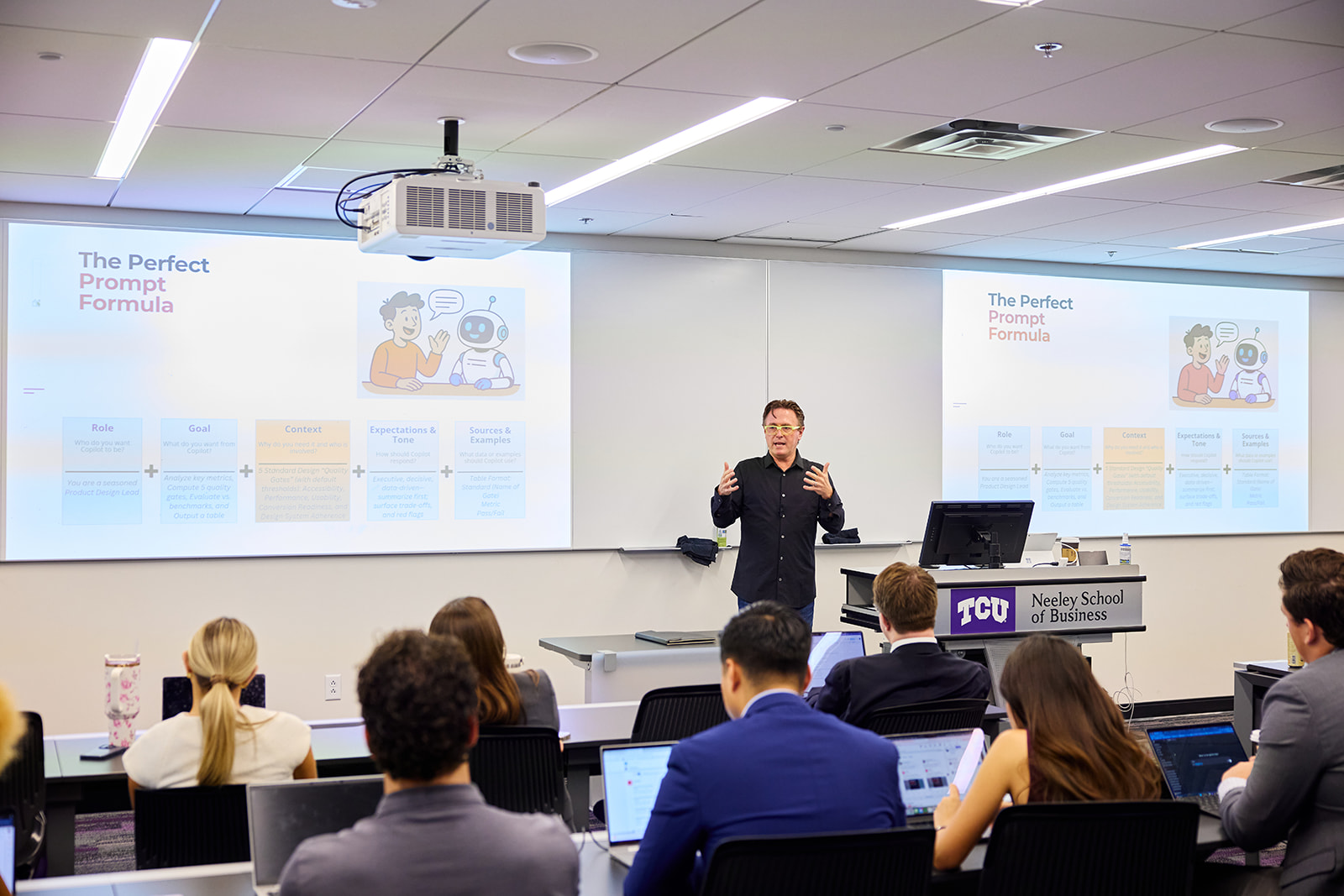
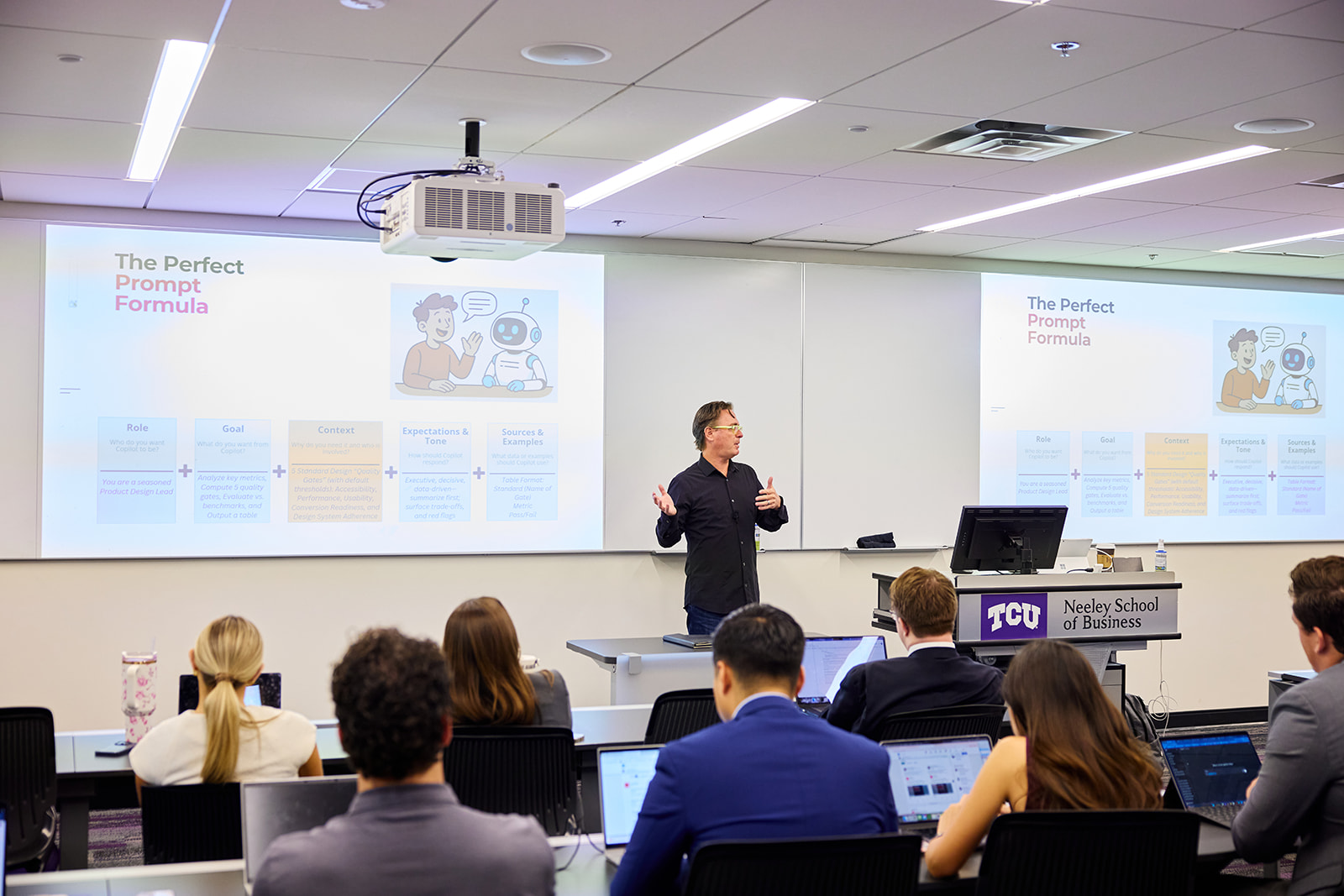
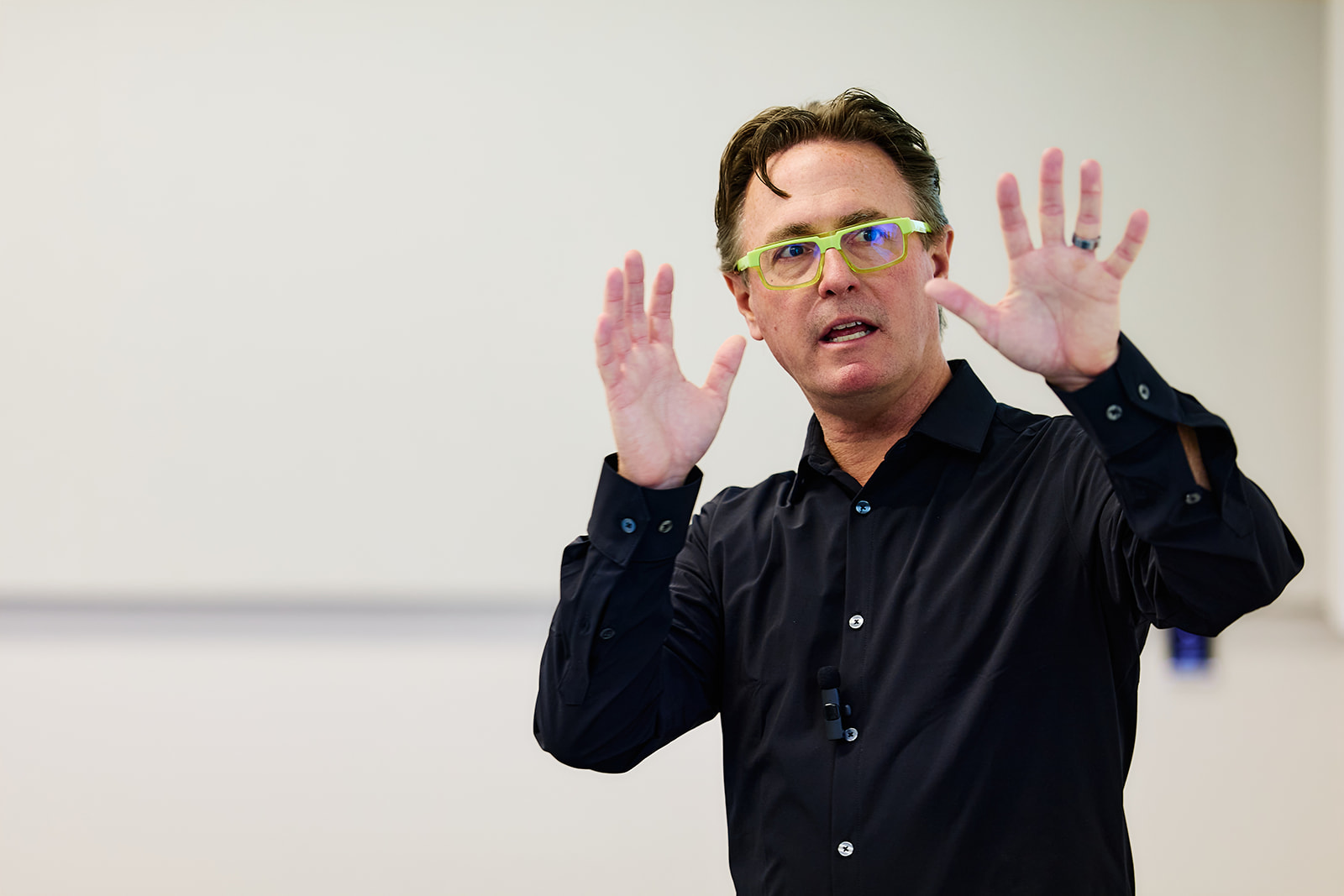
This article draws from a recent session I led with students at TCU on navigating AI in their job search. It is reframed here to guide executive teams preparing to recruit the next generation of AI native talent.
Why AI Native Graduates Are Critical to Your Next Operating Model
When I spoke to TCU students about the world they are entering, I emphasized that the labor market has fundamentally changed. AI is now part of how research, writing, analysis, customer interactions, and strategy support get done.
For students, this creates pressure and opportunity. For leaders, it creates a strategic imperative. The AI native graduate is not a junior hire. They are a catalyst for the transformation many CEOs and boards now expect from their AI consulting services partners.
The moment you hire your first AI native graduate, you begin shifting the standard for how work is performed. This marks the beginning of an AI enabled operating model and aligns directly with modern AI strategy consulting priorities.
Pillar 1: Business First AI Hiring
Many companies still treat AI as a technical upgrade. Pisteyo positions AI as a business model upgrade, and that starts with hiring.
AI native graduates create value because they think in ways that support revenue goals, decision speed, and improved unit economics. They ask better questions, evaluate outputs, and strengthen managerial productivity.
Hiring these graduates enables outcomes such as:
- Faster cycle times
- Higher quality deliverables
- Better customer experience
- Improved unit economics
This is what it means to hire for an AI enabled operating model rather than an AI experiment. It also aligns with how leading AI consulting firms differentiate themselves.
What Has Changed in Early Talent Hiring
Entry level roles were once built around repetitive work. AI now performs those tasks. The shift is operational, not philosophical.
You no longer need early career hires to generate drafts or pull reports. You need them to orchestrate human judgment with AI tools across workflows, which is foundational to all AI integration consulting programs.
Leaders should prioritize:
- Judgment over manual capacity
- Curiosity over memorized methods
- Adaptability over static experience
This is the beginning of a self improving operating model.
The New Profile of a High Value Graduate
Modern AI is only a few years old, so students are close behind the most experienced professionals. Behavioral traits carry the most weight.
Depth over speed
AI provides speed. Depth signals readiness for high value work.
One to one thinking
Customization reflects the personalization mindset required in modern workflows.
Daily AI fluency
Fluency across the entire workflow is a predictor of success in AI enabled environments.
Ability to defend their work
High value hires can explain, refine, and test AI assisted outputs.
These traits support two pillars in our messaging strategy. Leaders hire for business outcomes, and they evaluate candidates based on evidence of how they think and what they can produce.
Pillar 2: People Centric Change Begins at Hiring
Many organizations fear that AI adoption will create tension with employees. AI native hires lower that friction because they normalize experimentation and actively support others.
A culture of confident AI adoption often begins with the first wave of AI native employees. This reinforces a people centric model for transformation and complements enterprise scale AI consulting services.
How to Redesign Your Hiring Process for AI Native Talent
1. Create outcome focused job descriptions
Define how the role supports business value and include AI capability as a core expectation.
2. Use AI powered assessments
Have candidates complete simple cases with AI so you can evaluate their thinking process.
3. Evaluate follow up rigor
Tailored follow up signals ownership, professionalism, and intent.
4. Tie selection criteria to your AI enabled operating model vision
Ensure your hiring aligns with how your business intends to scale human and machine collaboration.
Where Hiring Meets Operating Model Transformation
Hiring AI native graduates is not separate from operating model transformation. It is an early lever within your AI strategy consulting roadmap.
Combined with your methods, tools, and leadership systems, these graduates accelerate change. This is where the SCALE℠ Framework becomes valuable because it organizes transformation across Strategy, Change, AI Tools, Leadership and Education.
This same structure strengthens your AI integration consulting programs because graduates are open to new workflows and free from legacy processes.
Pillar 3: Lead With Results
Executives want evidence. They want measurable value. They want to see exactly how AI native hires contribute to outcomes.
Track:
- Time to ramp
- Speed and quality improvements
- AI supported workflows adopted
- Cross team impact
This reinforces a results oriented narrative that strengthens your overall AI consulting services positioning.
Pillar 4: Address Fears and Desires With Clarity
Teams fear reduced opportunity. Graduates fear they are unprepared. Leaders reduce uncertainty through transparent expectations.
Hiring AI native talent signals that your organization is designing the future of work intentionally. Humans and intelligent systems improve one another. This aligns with every element of your messaging strategy.
Leaders Set the Pace
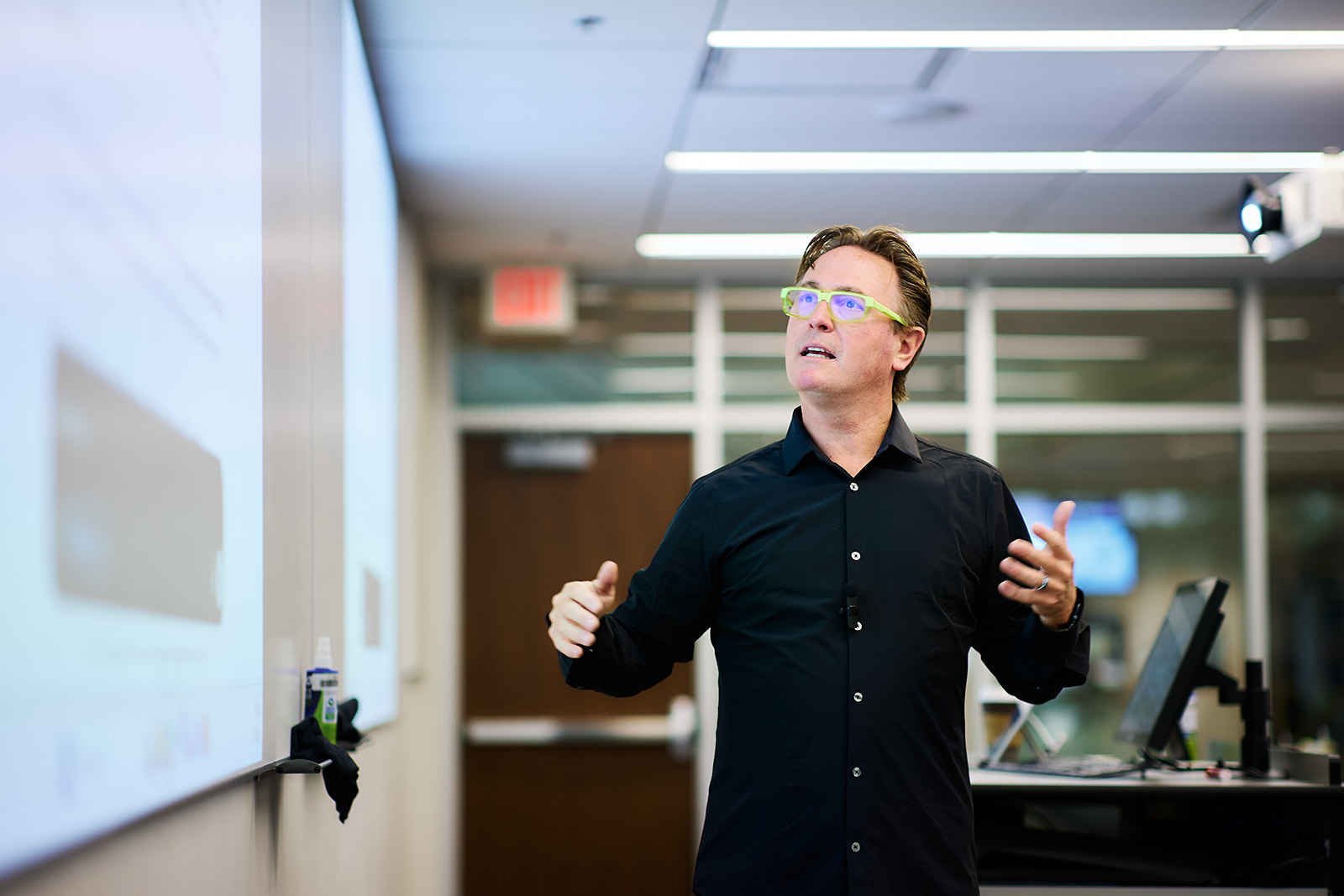
As I reminded the TCU students, the future of work is designed, not inherited. Leaders define what good looks like, guide teams, and create operational clarity.
Hiring the right graduates and placing them within the right structure accelerates this shift toward a self improving, AI enabled operating model.
If your leadership team is preparing for AI enabled workforce transformation, consider joining our CEO Leadership Briefing. You can also request an AI Workforce Readiness Assessment to evaluate your current capabilities and identify priority gaps
This article is part of the Executive Mini Series: Designing the AI Enabled Workforce, with upcoming pieces on:
- Building Human plus Machine Teams
- Redesigning Roles and Workflows for AI Enabled Organizations
About the Author
Shawn Mills is the CEO of Pisteyo, a management consulting firm that helps organizations harness the power of artificial intelligence to improve operational efficiency, drive innovation, and enhance human impact. With more than two decades of experience leading technology and management transformations, he believes the future of AI is not about replacing people with machines, but about giving people the tools to achieve extraordinary outcomes.
Acknowledgment
A sincere thanks to Texas Christian University and the Neeley School of Business for the opportunity to speak with their students about the future of work and the growing importance of AI upskilling. Their commitment to preparing the next generation of leaders for an AI enabled world is evident, and it was an honor to contribute to that mission.